
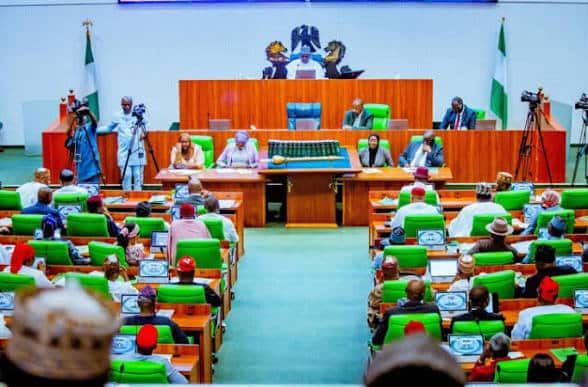
Telecom operators sue House of Reps in the Federal High Court in Abuja, in a dispute over a probe into poor network quality. The Association of Licensed Telecommunications Operators of Nigeria (ALTON) and some operators filed the suit against the House, its Speaker and the Inspector-General of Police, according to Daily Trust. They want the court to stop lawmakers from enforcing summonses on the chief executives of the companies. They argue that the probe is already covered by an established statutory framework, Leadership reports. The filing turns a months-long political quarrel into a legal contest and places the limits of legislative oversight before a judge.
Why did telecom operators sue House of Reps now? The case follows a tense sitting of the House Ad Hoc Committee on Telecommunications Service Quality in Abuja on 4 November. Lawmakers rejected ALTON representatives who had come to speak for the industry, ordered them to leave and warned that any further unauthorised appearance could attract sanctions, including detention. The committee had directed the chief executives of MTN Nigeria, Airtel Nigeria, Globacom, Mafab Communications and other operators to appear in person and account for service quality. The industry’s response was to go to court.
After telecom operators sue House of Reps, the lawmakers show no sign of backing down. They maintain that each telecom company holds a separate operating licence and must therefore account independently for its service quality, operational standards and obligations to subscribers. They also argue that the Nigerian Communications Commission’s role as primary regulator does not exempt operators from legislative scrutiny. According to Techeconomy, the committee says the investigation is needed to get explanations directly from operators and to agree concrete measures for fixing persistent service problems.
The decision to have telecom operators sue House of Reps follows weeks of escalation. In May, the House faulted the NCC over weak enforcement of service standards and resolved to set up an ad hoc committee. In October, after operators failed to honour earlier invitations, lawmakers gave four major operators seven days to appear, directed the NCC to enforce compliance and, as Nairametrics reported, warned that arrest could follow.
The operators have their own case on service quality. Nairametrics reported that mobile network operators and tower companies invested a combined ₦2.5 trillion in network infrastructure in 2025. Before the court action, an industry voice told lawmakers that improving service quality is a shared goal but depends on sustained investment and a more supportive operating environment. Lawmakers themselves have listed inadequate infrastructure, unreliable power supply, multiple taxation and vandalism among the problems weighing on networks, even as active lines have passed 200 million.
Subscribers, meanwhile, are caught in the middle. The NCC has a framework that requires eligible operators to compensate customers in areas where voice, data or SMS quality falls below prescribed standards. The regulator says operators recorded more than 6,500 network interventions in 2026. Yet complaints have continued, and lawmakers have accused the regulator of inconsistent enforcement.
The case now raises a question that goes beyond network quality: how far can the National Assembly go in compelling private company executives to appear before its committees, and where does the regulator’s mandate take over? The court’s answer could shape how future legislative probes of other industries are run.
Several things are worth watching. The first is whether the court fixes an early hearing date or grants any order restraining the House while the case is pending. The second is whether the chief executives of MTN, Airtel and Globacom appear before the committee in the meantime, or wait for the court. The third is how the NCC positions itself, since both sides lean on its role to support their arguments. The reports reviewed do not mention a hearing date or a formal response from the House or the Speaker.