
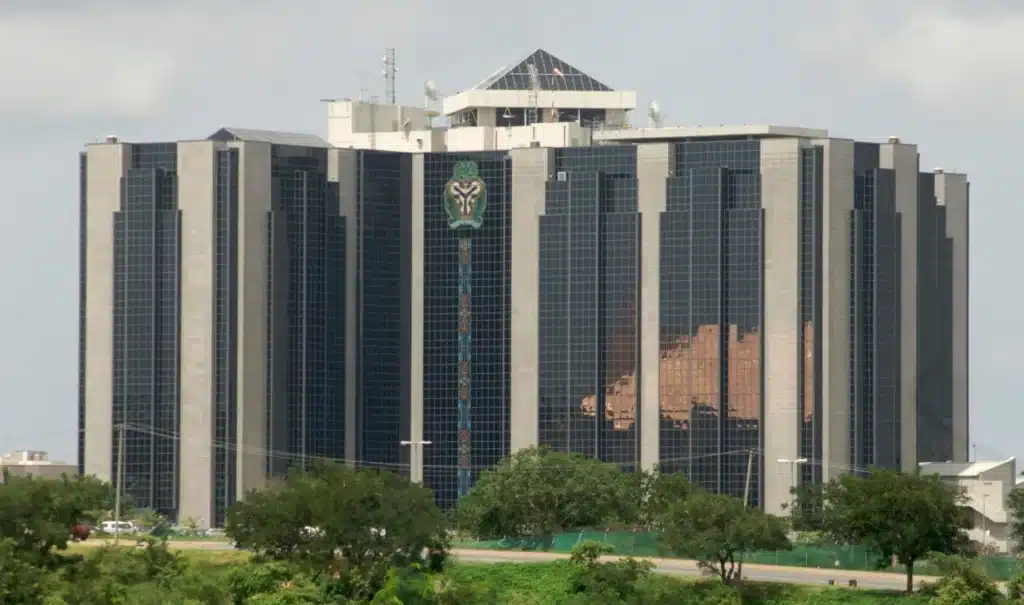
CBN fintech regulation is set to become stricter following the passage of a proposed amendment to the Banks and Other Financial Institutions Act (BOFIA) 2020 by Nigeria’s House of Representatives. The proposed legislation would give the Central Bank of Nigeria (CBN) greater authority to supervise major fintech companies and other non-bank financial institutions whose operations could affect the country’s financial stability.
The bill, which passed its third reading on November 18, 2026, seeks to introduce a framework for identifying and regulating Systemically Important Institutions (SIIs). The Senate had earlier passed its version of the legislation, and it is now awaiting presidential assent before it can become law.
Under the proposed amendment, the CBN would have the power to classify certain fintech companies as systemically important based on their market share, transaction volumes, customer base and connections to other financial institutions.
Which Nigerian Fintech Companies Could Face Tighter CBN Supervision?
This means that companies with significant influence over Nigeria’s financial system could face regulatory requirements similar to those imposed on commercial banks.
Why CBN Fintech Regulation Could Increase Compliance Costs
Major digital payment platforms such as OPay, Moniepoint, PalmPay and Kuda operate in a market where millions of Nigerians increasingly depend on electronic transfers, digital wallets and other financial services. Their growing customer bases and transaction volumes have made them important participants in the country’s financial ecosystem.
The proposed CBN fintech regulation framework is designed to address the risks that could arise if a major financial technology company experiences operational difficulties or becomes unable to provide essential services.
Under the proposed rules, designated institutions could face stricter corporate governance standards, mandatory cybersecurity safeguards and technology-risk management requirements. They would also be expected to maintain operational resilience systems capable of limiting disruptions to their services.
The CBN would additionally have the authority to conduct regular stress tests, assess data integrity, demand detailed regulatory reports and obtain direct supervisory access to the operational systems of designated institutions.
The legislation also provides for a public register of institutions classified as systemically important, stronger beneficial ownership disclosures and penalties for companies that fail to meet applicable regulatory requirements.
The development has attracted support from some fintech industry stakeholders, although concerns remain about how the expanded regulatory powers would be implemented.
Speaking to Techpoint Africa, an unnamed representative of a major Nigerian fintech company welcomed the proposed changes, explaining that the organisation already experiences increased supervision and periodic checks from the CBN because of its transaction volumes.
The representative suggested that stronger regulatory engagement would not necessarily introduce an entirely unfamiliar environment for established fintech operators.
Adedeji Olowe, founder and chief executive officer of Lendsqr, also expressed support for the proposed amendment. He argued that regulatory attention should depend on the influence a financial institution has on the wider economy rather than simply the type of licence it holds.
However, industry stakeholders have warned that the new requirements should be proportionate to the risks associated with individual businesses.
One concern is that applying similar regulatory obligations to different categories of fintech companies could create unnecessary compliance costs. Digital lenders, payment platforms, wallet providers and technology service companies do not all operate in the same way or present identical risks.
Titilola Feyijimi, a fintech and financial inclusion leader, also raised concerns about the CBN’s proposed designation powers. She argued that businesses need clearly published criteria to understand when they could be classified as systemically important and what would be expected of them.
She also called for a reasonable transition period and an effective appeals process to ensure that companies can challenge regulatory decisions where necessary.
These concerns are particularly important because Nigeria has already introduced additional requirements for payment operators in 2026. The CBN introduced market concentration restrictions in June and directed payment operators to disclose their ultimate beneficial owners, with affected institutions expected to comply by December 31, 2026.
The latest CBN fintech regulation proposal therefore adds another layer to the country’s changing financial regulatory environment.
For consumers, stronger supervision could improve confidence in digital financial services by encouraging better security practices, stronger internal controls and more reliable payment systems.
For fintech companies, however, the changes could mean additional investments in compliance teams, cybersecurity infrastructure, technology management and regulatory reporting.
The outcome will largely depend on how the CBN applies its new powers, the criteria used to classify institutions and whether the requirements reflect the actual risks posed by individual companies.
As Nigeria’s digital payments market continues to expand, CBN fintech regulation could become an important part of efforts to protect customers, strengthen financial stability and maintain confidence in the country’s growing fintech industry.