
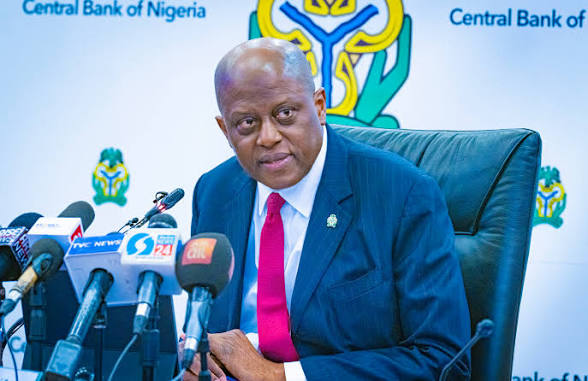
CBN fintech regulation is becoming a major discussion in Nigeria’s financial industry as experts welcome plans to place major digital financial companies under closer supervision by the Central Bank of Nigeria (CBN). However, while stakeholders support stronger oversight, they warn that unclear guidelines, compliance costs and implementation challenges could affect the country’s growing fintech sector.
The development follows the passage of an amendment to the Banks and Other Financial Institutions Act (BOFIA) 2020 by Nigeria’s House of Representatives. The bill, which has passed its third reading, is awaiting presidential assent. It seeks to give the CBN greater authority to supervise major fintech companies whose operations could affect the stability of the financial system.
CBN Moves to Strengthen Oversight of Major Fintech Companies
Under the proposed framework, companies with significant transaction volumes, market shares, customer bases or connections to other financial institutions could be classified as Systemically Important Institutions (SIIs). This would subject them to bank-style supervision by the CBN.
Companies such as OPay, Moniepoint, PalmPay and Kuda are among the major players whose growing influence has increased discussions around CBN fintech regulation.
According to a report by Techpoint Africa, some industry stakeholders have welcomed the proposed changes, describing increased supervision as important for protecting customers and strengthening confidence in the financial system.
An anonymous source from a major Nigerian fintech company told Techpoint Africa that the organisation welcomed increased supervision. The source explained that the company’s growing transaction volumes had already attracted greater attention from the regulator, making regular supervisory checks part of its operations.
Adedeji Olowe, founder and CEO of Lendsqr, also supported the proposed changes. He argued that regulatory attention should depend on how important a financial institution has become to the wider economy rather than simply the type of licence it holds.
According to Olowe, the potential disruption caused by a company’s failure should determine the level of regulatory attention it receives.
Implementation Concerns and Compliance Costs
However, despite the support for CBN fintech regulation, experts have raised concerns about how the proposed framework will work in practice.
One major concern is the absence of clearly defined criteria for determining which companies qualify as systemically important. Financial inclusion leader Titilola Feyijimi warned that allowing the CBN to designate institutions based on public interest without publishing specific thresholds could create uncertainty for businesses.
She explained that founders, investors and compliance teams need to understand when their companies may fall under stricter supervision and how much time they would have to meet the requirements.
Compliance costs are another concern. Stronger CBN fintech regulation could require companies to invest more in internal controls, cybersecurity, governance structures and reporting systems.
Olowe argued that regulatory requirements should reflect the specific risks associated with different financial institutions. A digital wallet provider, merchant payment company and lending platform do not necessarily present identical risks to the financial system.
Applying the same compliance requirements across different fintech business models could create unnecessary pressure on companies and potentially discourage innovation.
Experts have also raised concerns about regulators demanding unrestricted access to companies’ operational systems and confidential information. They believe stronger supervision should come with adequate safeguards for sensitive business data.
Feyijimi further emphasised the importance of clear regulatory guidelines, reasonable transition periods and an independent appeals process. These measures could help businesses understand their obligations and challenge regulatory decisions where necessary.
The discussion around CBN fintech regulation also comes amid other regulatory changes affecting Nigeria’s digital payments industry, including requirements relating to market concentration and beneficial ownership disclosure.
What the New Rules Mean for Nigeria’s Fintech Sector
For major fintech operators, the proposed changes could introduce additional responsibilities while requiring adjustments to existing compliance and operational structures.
Ultimately, the success of CBN fintech regulation will depend on how effectively the regulator balances financial stability, customer protection and business innovation.
Although industry experts support stronger oversight, they believe the CBN must provide clear guidelines and proportionate requirements to ensure that regulation does not become an unnecessary burden on companies serving millions of Nigerians.