
Telecom network quality is becoming one of the biggest tests facing mobile operators, as pressure grows to improve the services customers rely on every day. From dropped calls to slow data speeds, customers are paying closer attention to how well their networks actually perform.
Telecom operators are now being urged to do more than simply expand coverage. Reliable calls, steady internet speeds and fewer service interruptions are becoming the standard by which providers are judged. For many customers, a network that connects is no longer enough. It has to connect well, every time.
Mobile networks now carry far more than phone calls. People use them for banking, work, school, entertainment and running small businesses. When a network drops calls, loads pages slowly or loses coverage, the impact goes well beyond frustration. A payment confirmation that never arrives or a video call that keeps freezing can cost people time and money. This is why telecom network quality has moved from a technical detail to a public concern. Customers compare experiences, share complaints online and expect real value for the money they spend on airtime and data.
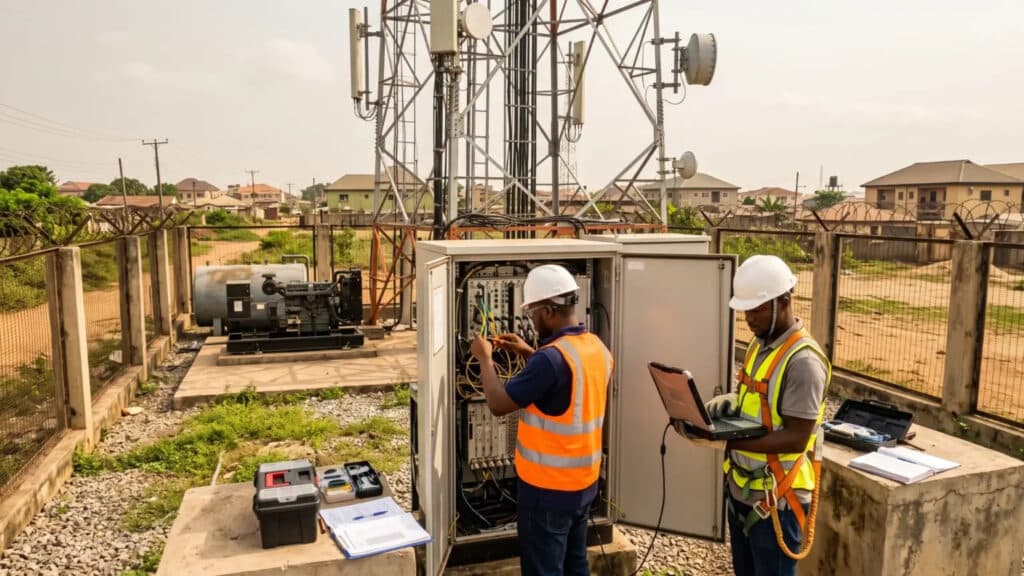
Operators face pressure from several directions at once. Regulators can set quality of service standards and expect providers to meet them. Customers want faster and more reliable connections. Competitors that deliver a better experience can win subscribers away. At the same time, improving networks is not simple. Operators must build and upgrade sites, maintain equipment, secure reliable power and keep fibre links running. Rising costs and growing demand for data can make it harder to keep pace.
Common causes of poor telecom network quality include:
- Congestion when many people use the network at the same time
- Gaps in coverage, especially in less served areas
- Damage to fibre cables and network equipment
- Power supply problems at network sites
- Ageing infrastructure that needs upgrading
Better telecom network quality usually starts with investment. Adding capacity at busy sites, upgrading older equipment and extending coverage can all reduce congestion and dropped connections. Monitoring also matters. Operators that track performance closely can spot weak areas sooner and fix them before customers complain. Clear communication helps too. When providers explain outages, share timelines for repairs and respond quickly to complaints, they can rebuild trust that poor service has damaged. Working with regulators, infrastructure partners and local authorities can also help, because problems such as damaged cables and unreliable power are often not something a single operator can solve alone.
Businesses depend on stable connections more than ever. Digital payments, online sales, remote work and customer support all rely on a network that works when it is needed. The same shift is visible in other parts of the industry, as seen in how Interswitch is expanding tap-to-pay in Nigeria to make everyday payments easier. Those services only deliver their full benefit when the network behind them is dependable.
Learning is moving online too. Google has opened free AI training to 3 million Africans through a new learning platform, but learners can only make the most of programmes like this when their connections are stable enough to stream lessons and complete courses. Weak telecom network quality can quietly hold back opportunities like these.
For consumers, the pressure on operators is a chance to be heard. Customers who experience poor service can report it to their provider and, where the option exists, to the telecom regulator. The more complaints are documented, the harder it is for problems to be ignored. Good telecom network quality is something customers are entitled to expect, and public attention helps keep it on the agenda.
Demand for data is likely to keep growing, which means expectations will keep rising too. Operators that treat telecom network quality as a long-term priority, rather than a response to complaints, will be better placed to keep customers and meet regulatory expectations. For now, the message from customers and regulators is the same: expanding access is not enough on its own. People want connections that work reliably, and operators will need to show real improvements in telecom network quality to meet that demand.