
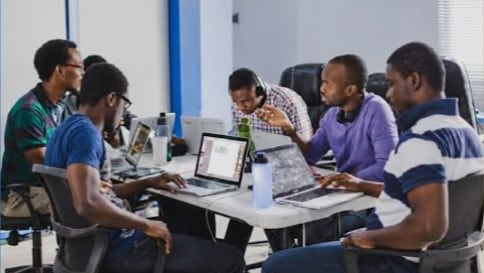
African creator monetization remains a major hurdle even as creators across the continent reach global audiences. Videos, music, comedy, fashion and storytelling from Africa now travel far beyond borders, but turning that attention into steady income is proving much harder than gaining followers.
The numbers show the gap. According to the Africa Creator Economy Report 2026 by Communiqué and TM Global, African content now reaches global audiences, but this often does not turn into revenue for many creators. The African creator economy is valued at about $3 billion and is projected to reach $17.8 billion by 2030, yet roughly six in ten creators earn less than $100 a month from their creative work. Separate coverage of the research also notes that only 4.2% of the creators surveyed have received institutional investment. This is why African creator monetization has become such a pressing issue.
Reach and revenue are not the same thing. A creator can attract huge numbers of views from many countries and still struggle to earn a living from them. Platforms pay through advertising, subscriptions, tips and brand partnerships, but not every programme is open in every country. Many platforms limit monetization features to creators in higher-value markets, and even where the tools are available, high transaction fees and weak payment infrastructure cut into earnings. Experts also point out that advertisers are often willing to pay less to reach African audiences because of lower disposable incomes and market values compared with Europe or America. For many creators, African creator monetization therefore depends on workarounds rather than simple, direct payment routes.
Getting paid is a particular pain point. Payments need to move quickly, securely and cheaply, whether they come from a platform abroad or a local sponsor. This is one reason developments in the payments industry matter to creators. Interswitch’s expansion of tap-to-pay in Nigeria reflects the wider push to make digital payments easier, and the same convenience is needed for money that flows to creators. The way Paga’s CEO described the hurdles to stablecoin adoption in Africa also shows that the industry is still working through the challenge of moving money across borders.
Creators are not waiting for perfect conditions. Many are building income from several sources at once. Instead of relying on a single platform, they combine advertising, sponsorships, paid communities, digital products, live events and merchandise. This spreads the risk and reduces the damage when a platform changes its rules or an algorithm stops favouring their content. It also means African creator monetization is becoming more creative and more business-minded.
There are practical steps that can help creators earn more. Treat content as a business, with clear records of income and costs. Build an audience that you own, such as an email list or a community, so you do not depend entirely on one platform. Learn what brands look for and set clear prices for sponsored work. Choose payment methods that keep fees low and make sure money arrives on time.
Platforms, banks, payment companies and regulators also have a role. Expanding monetization tools to more African countries, simplifying cross-border payments and creating clearer rules for digital income would all make African creator monetization easier. Support for creator education, such as training in contracts, taxes and pricing, could help talented people turn their audiences into lasting careers.
The opportunity is large. African creators already shape global conversations about music, fashion, comedy and culture. If African creator monetization catches up with the attention, the creator economy could become a significant source of jobs and income across the continent. For now, the gap between audience and income remains the central challenge, even as creators keep proving that African stories can reach the world